← Back to the team
Daniel Merkle

Professor of Algorithmic Cheminformatics

Daniel Merkle

I lead the Algorithmic Cheminformatics group at Bielefeld University and work at the interface of computer science and chemistry, developing algorithms, formal models, and research software for molecular structures, reaction networks, and mass spectra.

Faculty of Technology and CeBiTec, Bielefeld University
Part-time Professor, University of Southern Denmark, Odense

daniel.merkle@uni-bielefeld.de · Official Bielefeld profile

Work in progress

Current research focus

Our current work combines exact algorithms with chemically meaningful representations. The projects below are active collaborations, not a fixed research programme.

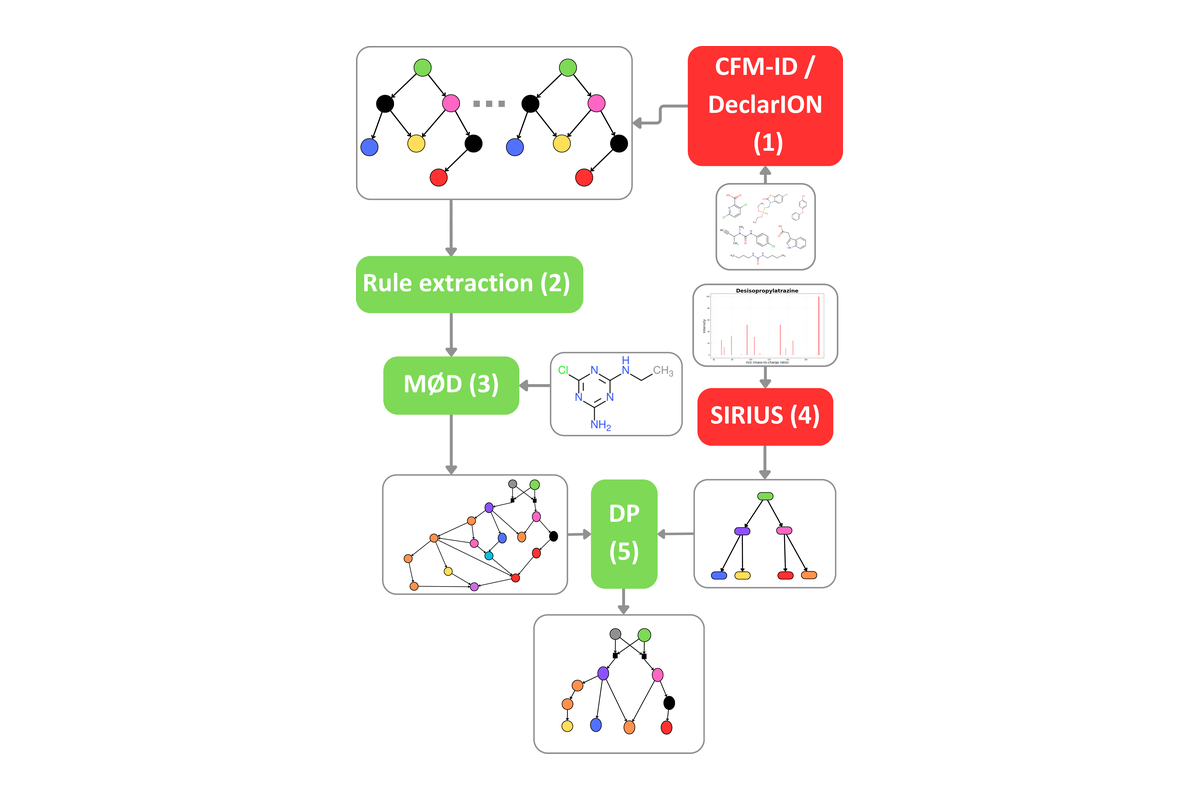
Workflow from fragmentation reactions and spectra to a mechanistic fragment explanation

With Johannes B. S. Petersen, Akbar Davoodi, Christoph Flamm, and Peter F. Stadler · Under review

Explainable annotation of mass spectra

Instead of assigning an MS/MS peak only by a database score, we ask for a chemically admissible sequence of bond changes from the precursor to the observed ion. The result is an explicit fragment structure and a multi-step explanation that can be inspected, compared, or rejected. A public software release of DeclarION is in preparation.
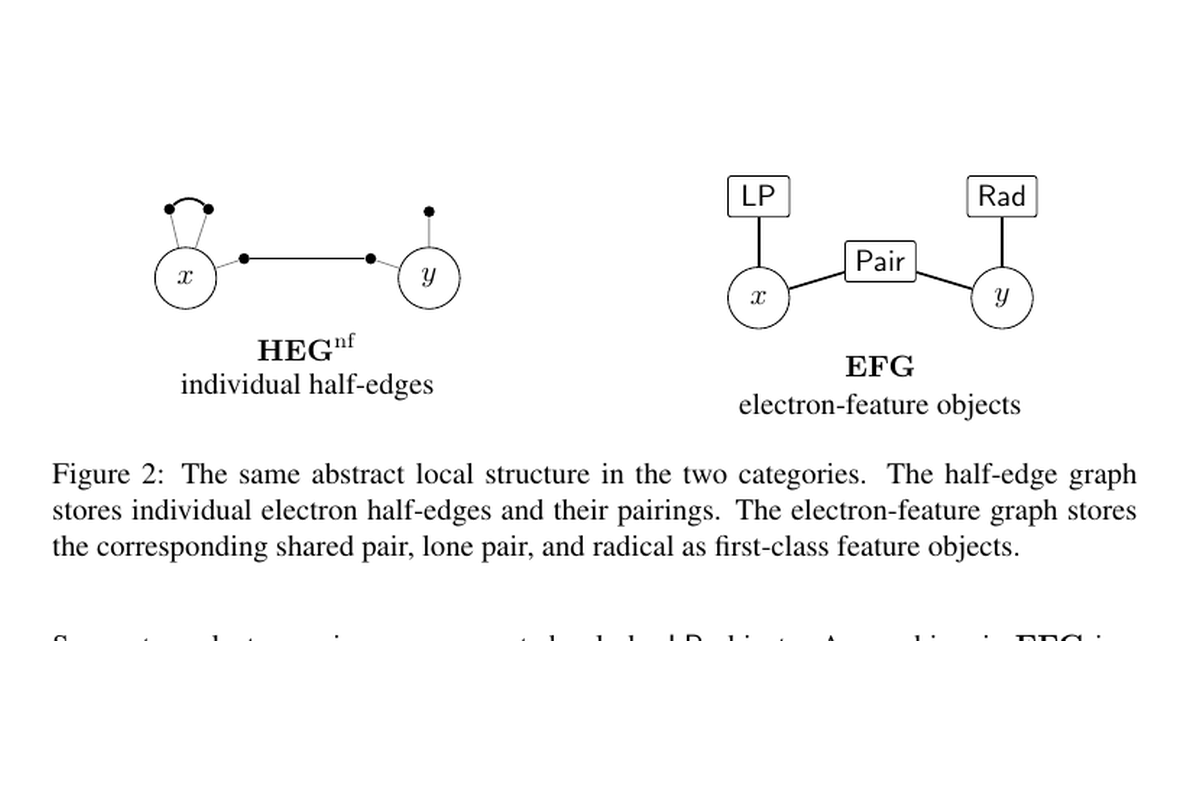
Comparison of a half-edge graph and an electron-feature graph

With Rebecca Holzschuh, Christoph Flamm, and Peter F. Stadler

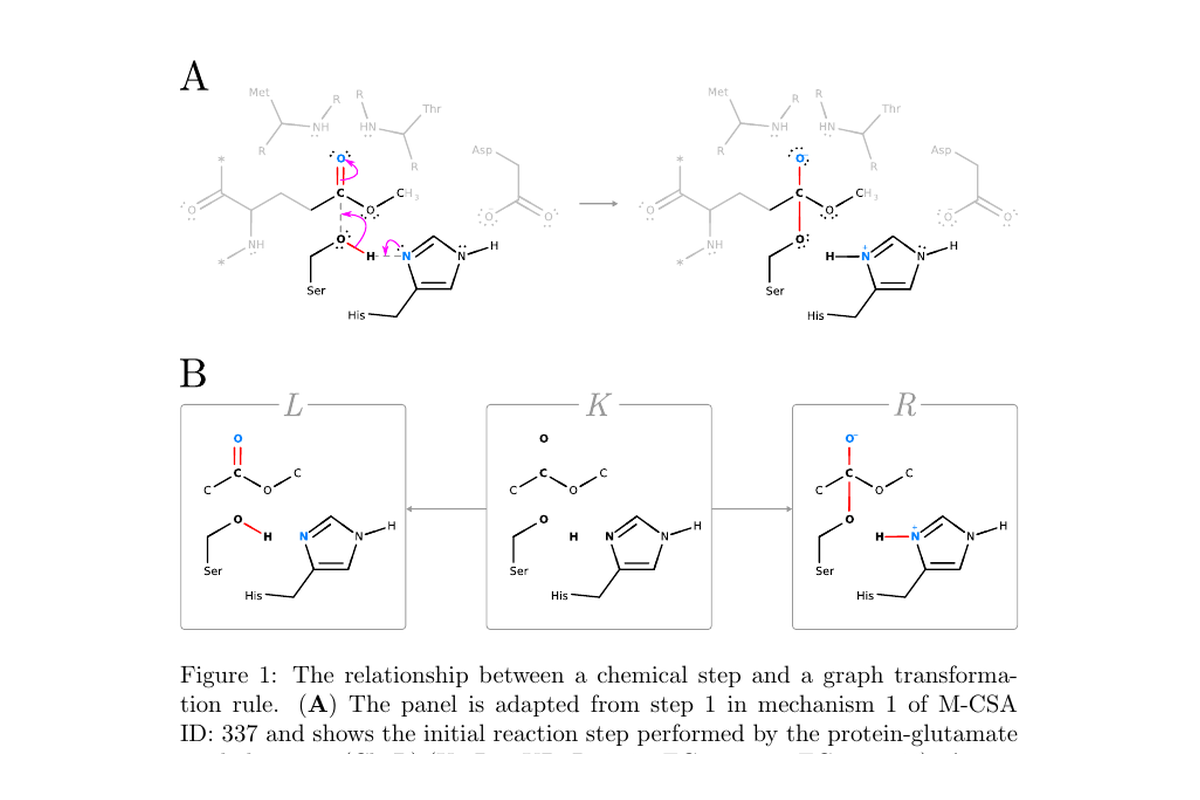
Half-edge graphs and executable electron movement

Lewis structures and electron-pushing diagrams are usually treated as separate notations. Half-edge graphs provide one formal representation in which electron pairs, radicals, bonds, and their movement can be handled consistently. We are now making this representation executable so that mechanistic electron-pushing steps can be used directly in graph-rewrite rules.

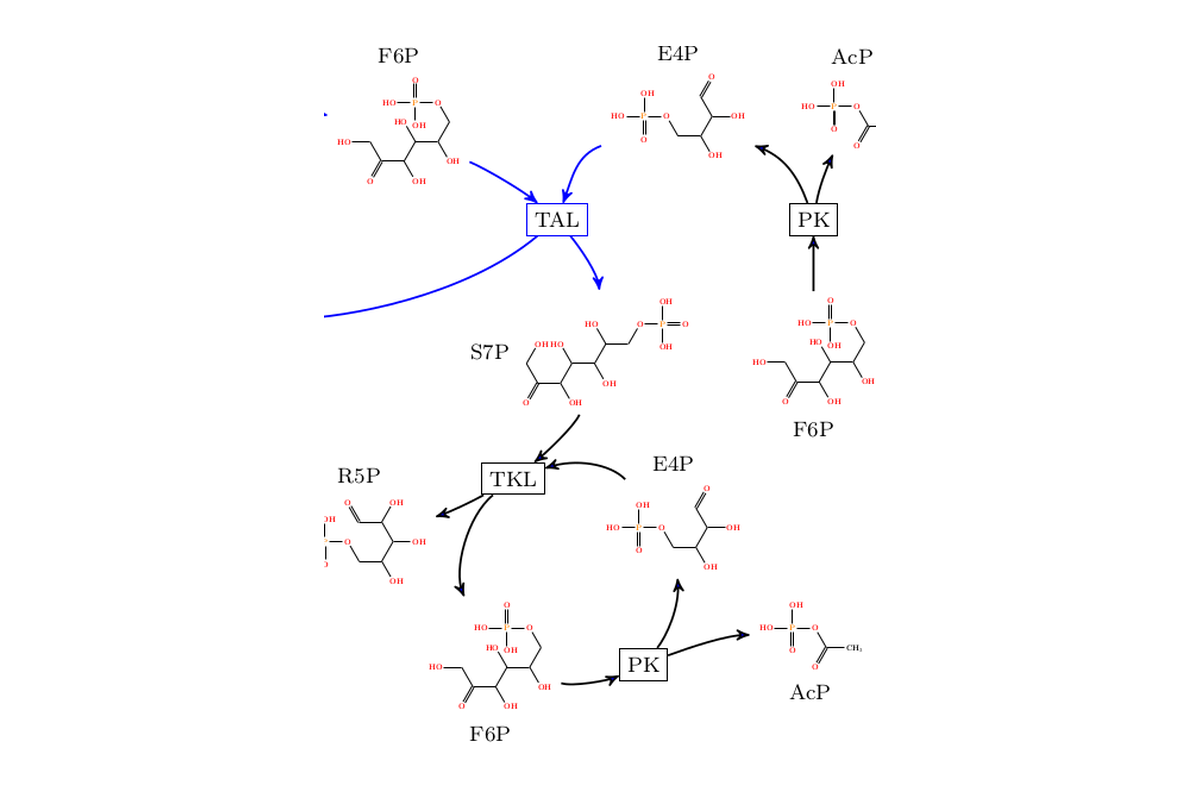
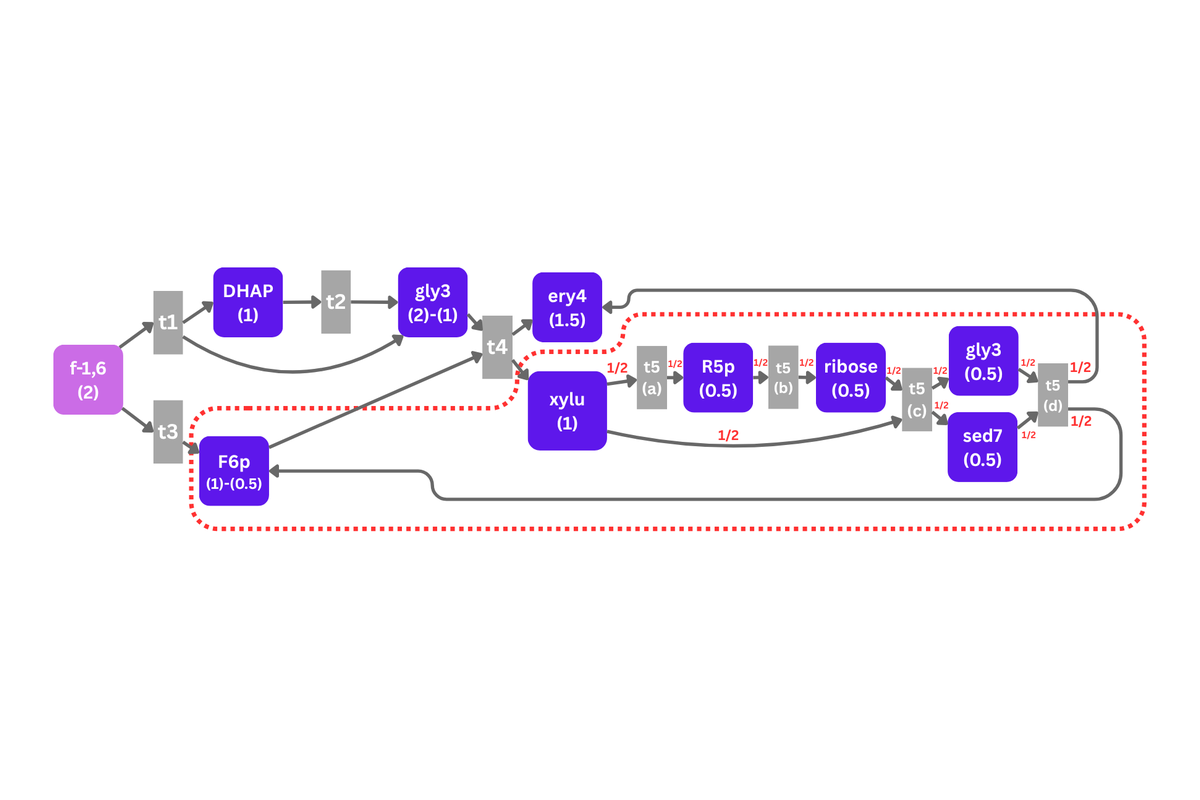
Continuous Petri-net reachability example for a biochemical pathway

With Addie Jordon and Juri Kolčák · Revised manuscript

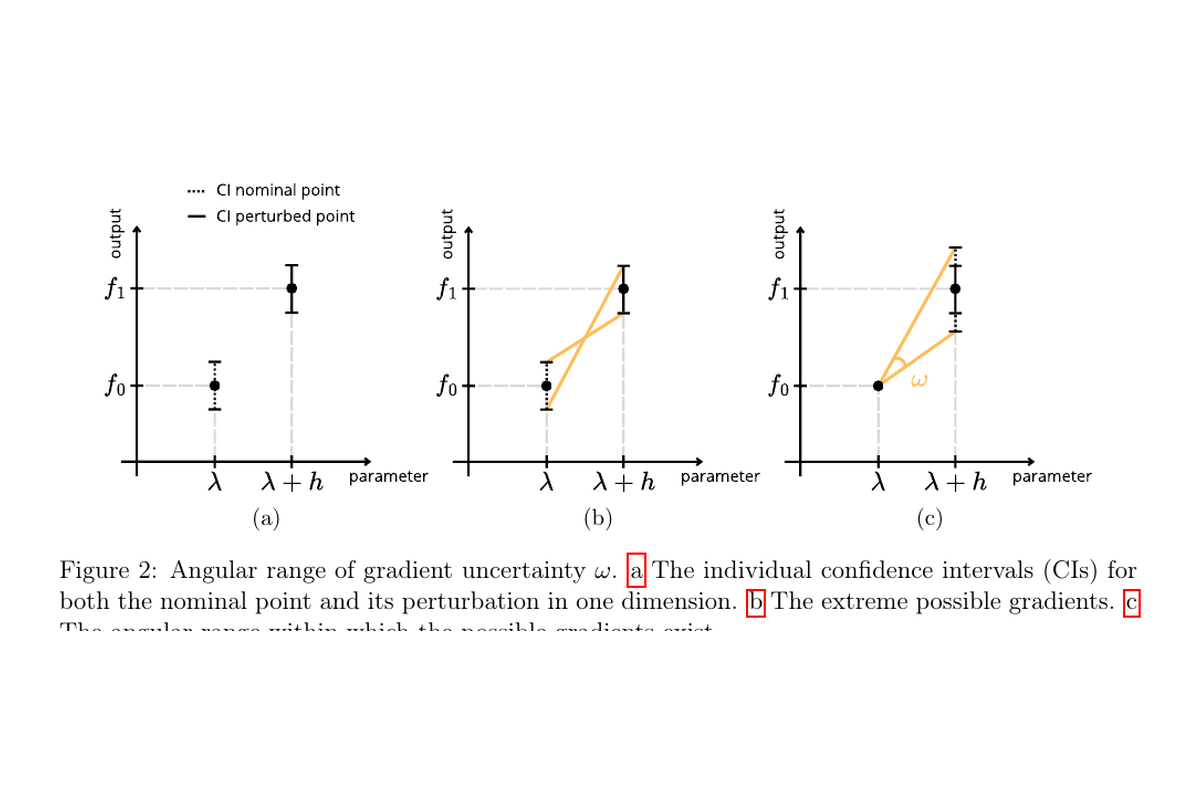
Continuous Petri nets beyond steady-state flux balance

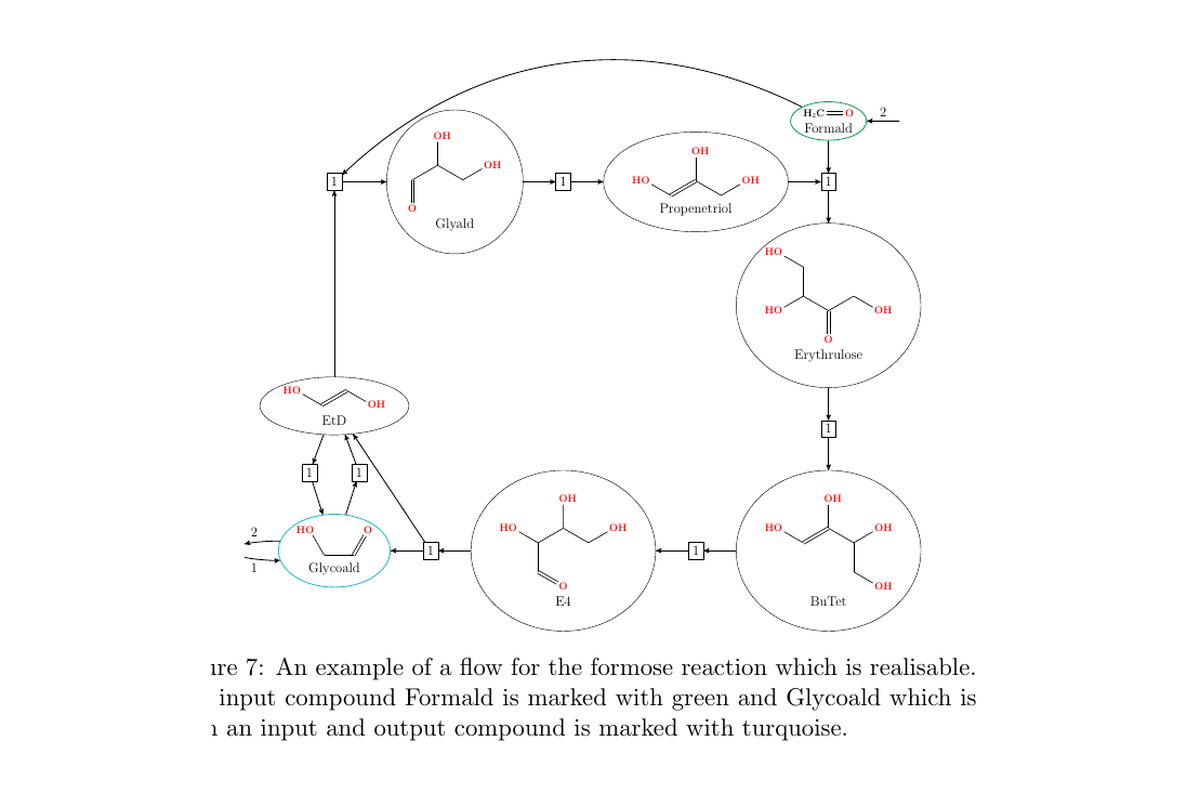
Flux balance analysis identifies steady-state fluxes that satisfy stoichiometry, but does not by itself establish that the reactions can be ordered from a finite stock of molecules. Continuous Petri-net reachability keeps the same stoichiometric backbone while also testing causal fireability, distinguishing finite from limit reachability, and allowing non-steady endpoints. The revised work compares these views on the E. coli core network and the pentose-phosphate pathway.

Combinatorial construction of branched chemical structures

With Casper Asbjørn Eriksen

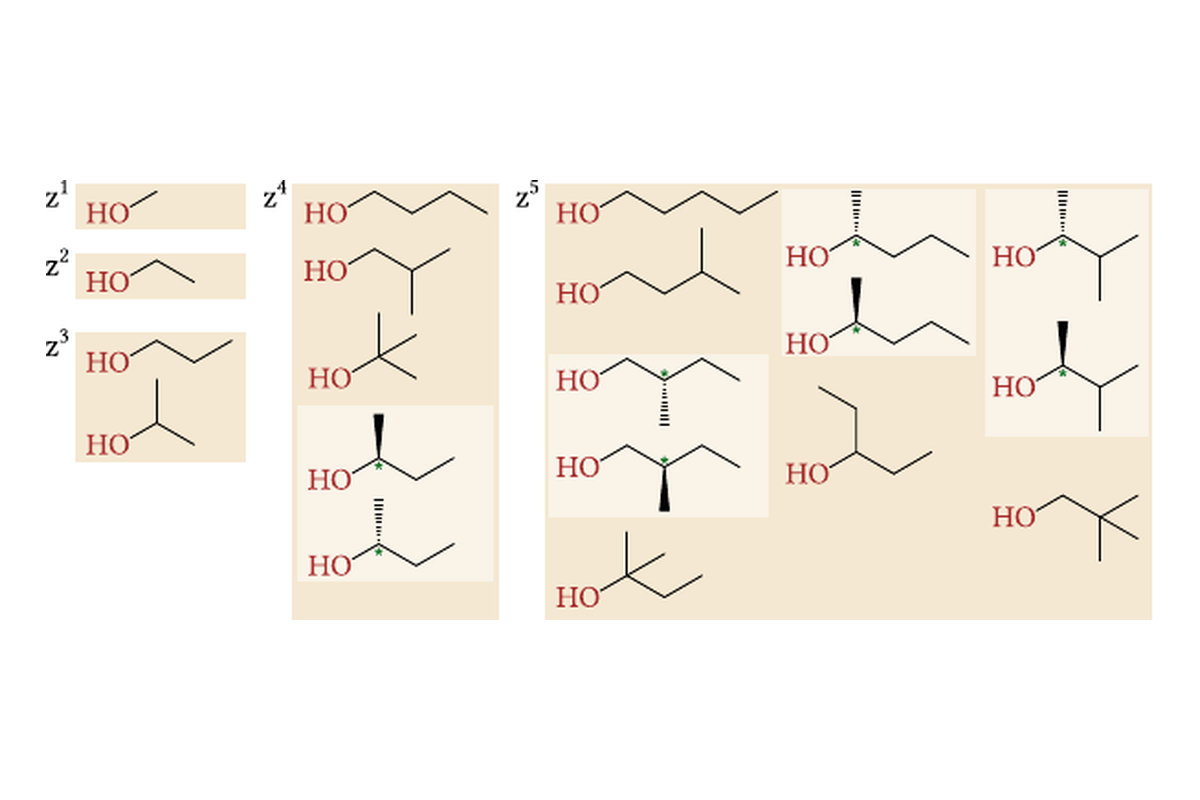
Analytic combinatorics for chemical structures

We translate chemically meaningful structure classes into compact combinatorial specifications. This gives exact counting sequences and direct samplers for branched molecules with stereochemical constraints, without hard-coding a separate generator for each class. The accompanying CombOL library has been accepted at ICMS 2026.

Candidate secondary-metabolite structure inferred from precursor and mass-spectral constraints

With Johann E. Kufs (Bielefeld University) and Juri Kolčak

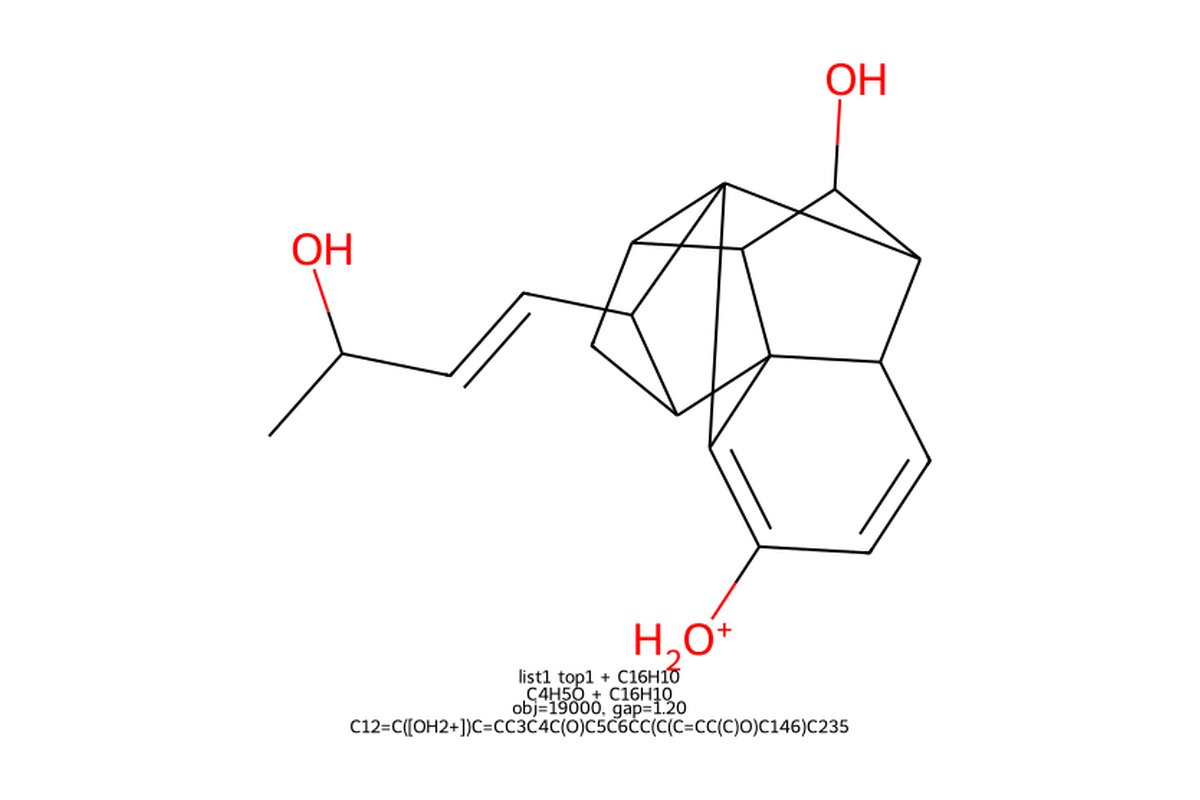
Mass spectra and secondary metabolites of Dictyostelium

Here we connect our work on mechanistic MS/MS interpretation with the secondary metabolites produced by Dictyostelium discoideum. Given precursor mass, elemental constraints, and fragmentation evidence, we enumerate chemically admissible candidate structures and identify which observations each candidate can explain. Current work focuses on PKS-derived metabolites and feeds promising candidates back into detailed fragment annotation.

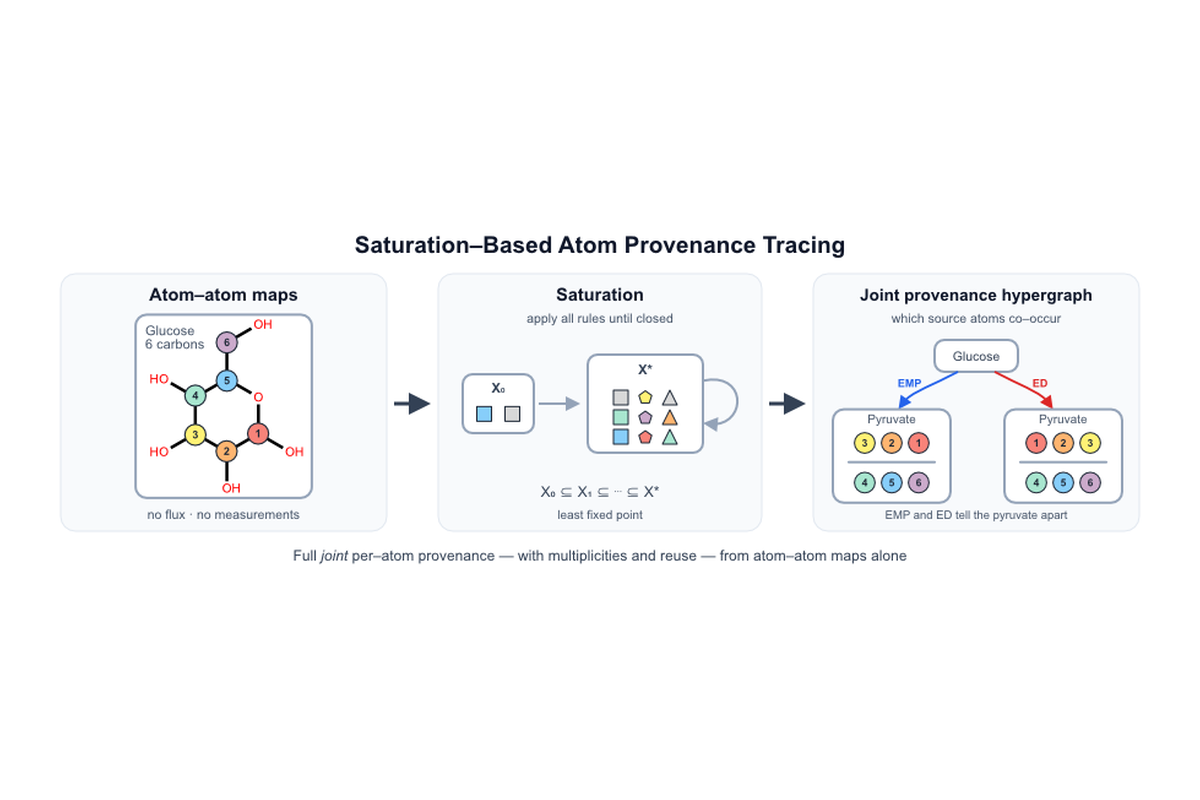
Saturation workflow for tracing atom provenance through a reaction network

With Marcel Friedrichs · Revised manuscript submitted

Exact atom provenance by saturation

This work takes a step beyond our earlier semigroup approach to atom tracing: it can preserve which source atoms occur together in a product and can handle several copies of the same compound in one reaction. Saturation expands only the labeling configurations reachable from the selected inputs, producing exact and inspectable isotope traces for pathway analysis and experimental design. An updated manuscript and software release are forthcoming.

Research programmes

Current funded projects

Three coordinated programmes provide a longer horizon for the group's work, connecting algorithm development with experimental research and doctoral training.

Novo Nordisk Foundation Challenge Programme

MATOMIC

Mathematical Modelling for Microbial Community Induced Metabolic Diseases

Mathematical models and wet-lab experiments are combined to understand how interventions reshape microbial communities associated with metabolic disease. The aim is to move from descriptive microbiome data towards models that can predict system-level responses.

Principal investigator and coordinator

Marie Skłodowska-Curie Doctoral Network

TACsy

Training Alliance for Computational Systems Chemistry

A European doctoral network developing methods for constructing, analysing, and learning from complex chemical reaction systems. TACsy brings computer science, chemistry, mathematics, and industrial perspectives into one training and research programme.

Principal investigator and coordinator

Independent Research Fund Denmark, Natural Sciences

DFF / FNU

Algorithmic Cheminformatics Meets Causality Analysis

This project connects molecular graph transformation with concurrency and causality analysis. By bringing the complementary strengths of MØD and Kappa together, it develops computational methods for explaining how events and dependencies shape large chemical reaction networks.

Principal investigator and coordinator

Bielefeld University

Teaching

Further teaching and supervision in the research group

  • Selected Topics in Algorithmic Cheminformatics
  • Boolean Networks in Systems Life Sciences
  • Cheminformatics Research Seminar
  • AG Seminar: Algorithmic Cheminformatics
  • Implementation and Analysis in Algorithmic Cheminformatics
  • 3D Printing Projects

Current and previous courses in eKVV →

Open and in development

Selected software

A selection of current and earlier research software developed with collaborators; it is not intended as a complete catalogue.

NameExplanationPaperStatus
MolFoundry A rich cheminformatics toolkit ranging from rule-based graph transformation, canonicalization, stochastic simulation, to atom tracing. In development
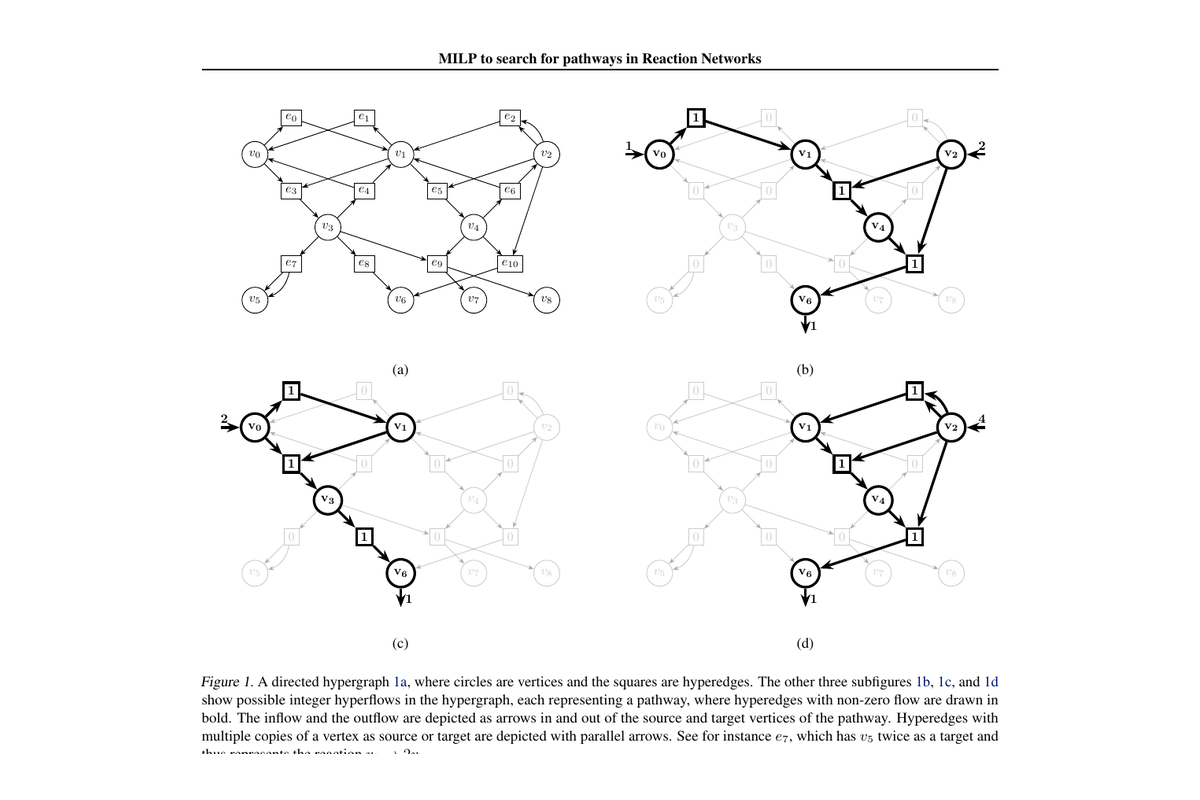
CarbonARA An interactive workbench for carbon-aware exact metabolic route exploration, developed from the AuxCarbon analysis and extended substantially beyond it. CarbonARA computes integer hyperflows with explicit boundary balances, compares alternative route families across metabolic models, and connects carbon accounting with molecular structures, thermodynamic evidence, and auditable reaction-level views. Under preparation, with Addie Jordon In development
CPN Yield Tools Maximum-yield computation in continuous Petri nets, with polynomial-time and mixed-integer linear programming algorithms. Jordon, Kolcak & Merkle, arXiv Public research code
MØD Graph transformation, chemical-space generation, and pathway analysis for chemistry. A Software Package for Chemically Inspired Graph Transformation, ICGT 2016 Released; open source
CombOL Enumeration and unbiased Boltzmann sampling of combinatorial classes in Rust and Python. Eriksen & Merkle, ICMS 2026 proceedings Released; PyPI
DeclarION Chemically constrained, explainable interpretation of tandem mass spectra; public release in preparation. Petersen et al., manuscript under review Release forthcoming
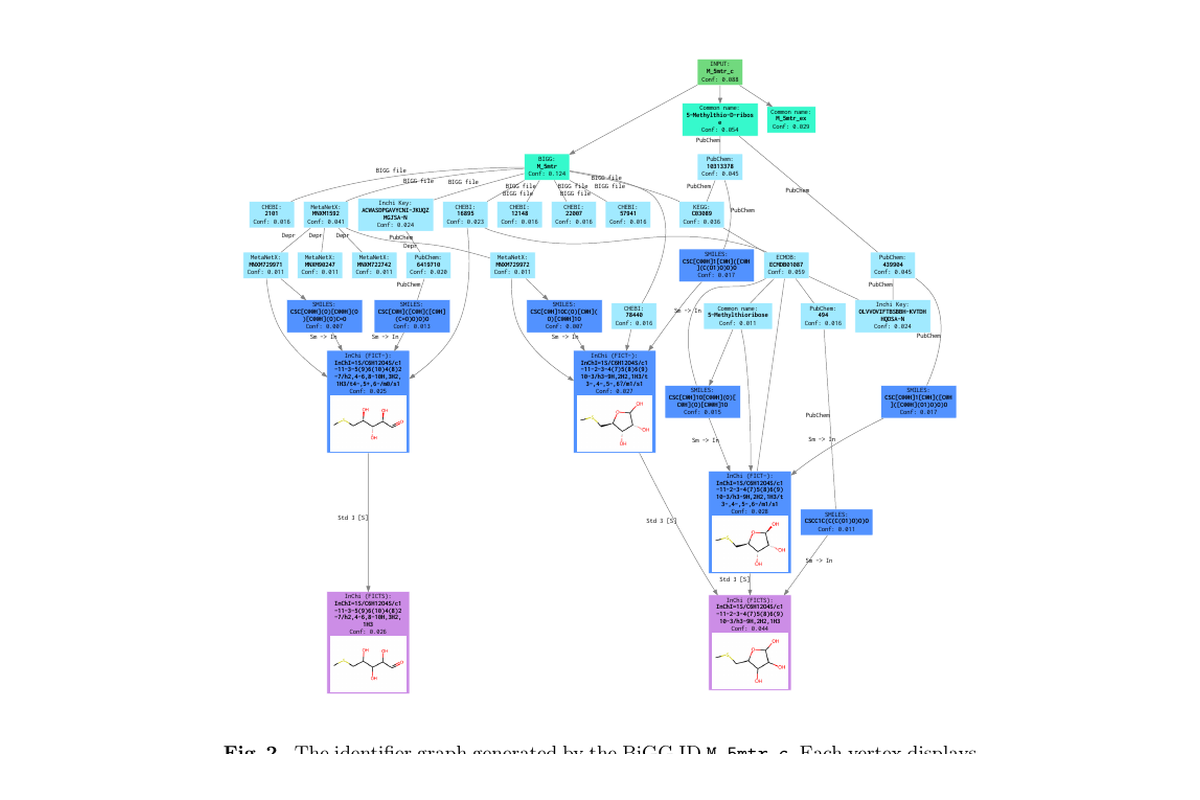
StructRecon Reconciliation of molecular structures and identifiers across biochemical databases. Eriksen et al., J. Comput. Biol. Released; open source
SynRBL Rule- and maximum-common-subgraph-based correction of unbalanced reaction records and missing reaction participants. Phan et al., J. Cheminform. 2024 Released; open source
SynTemp Consensus atom mapping and scalable extraction and hierarchical clustering of graph-based reaction rules from reaction databases. Phan et al., J. Chem. Inf. Model. 2025 Released; open source
SynKit A Python framework for graph-native reaction informatics, graph transformations, and executable electron-flow models. Phan et al., J. Chem. Inf. Model. 2025 Released; open source
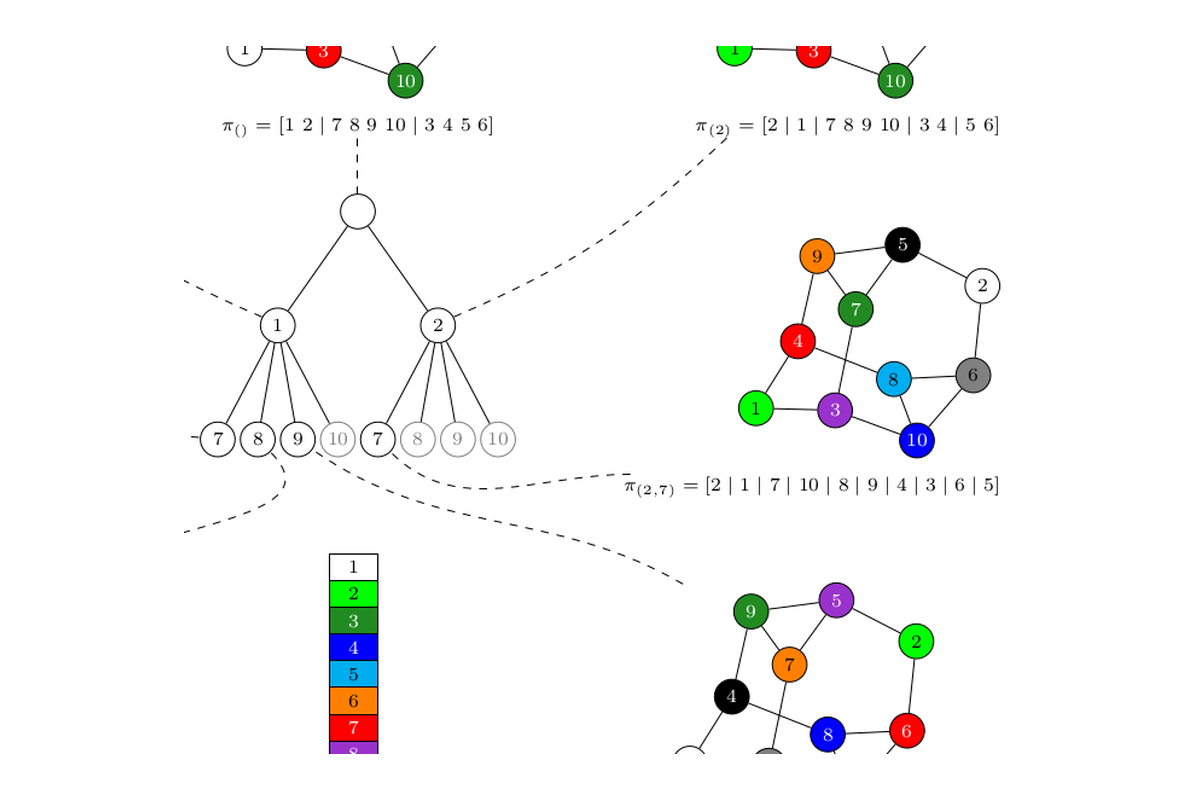
GraphCanon A C++ framework for graph canonicalization, graph isomorphism, and the computation of graph automorphism groups. Andersen & Merkle, ACM JEA 2020 Released; open source
CREx Comparison of gene orders and heuristic reconstruction of genomic rearrangement scenarios based on common intervals. Bernt et al., Bioinformatics 2007 Available; legacy

Peer-reviewed work

Selected papers

A selection from recent and foundational work. Complete publication lists are available through the profiles above.

Academic background

I have been Professor of Algorithmic Cheminformatics at Bielefeld University since December 2023. After completing my PhD in computer science at the University of Karlsruhe in 2002, I joined the University of Southern Denmark in Odense as Associate Professor (Full Professor since 2017); I remain affiliated with SDU as a part-time professor.